Freedom and human rights are fundamental values of human dignity and the foundation of any stable society. A government’s legitimacy is rooted in its responsibility to protect its citizens, guarantee their rights, and ensure equality before the law. In return, citizens also have duties toward their nation, including respect for laws and contribution to the public good. It is through this balance between rights and responsibilities that nations can achieve stability, justice, and long-term prosperity.
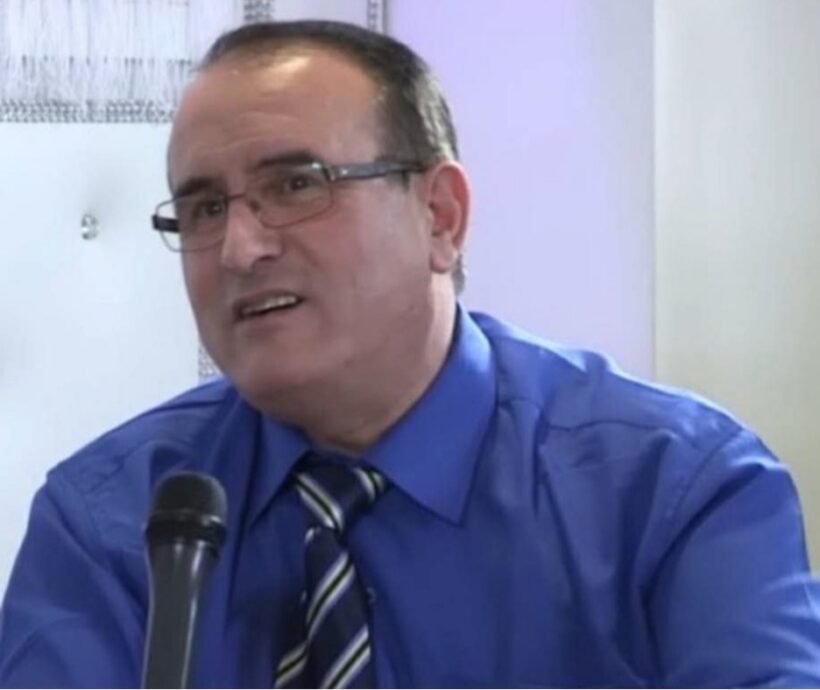
Interview with Ali Aït Djoudi, President of the NGO Riposte Internationale
Ali Aït Djoudi is an Algerian human rights activist and the president of the NGO Riposte Internationale, based in France. He has been involved for decades in civil society, trade unionism, and human rights advocacy, particularly on issues related to democratic freedoms and cultural and identity rights in Algeria, with a focus on Kabylia.
Based in France, human rights advocate Ali Aït Djoudi, president of the NGO Riposte Internationale, speaks about his activist journey and the current situation of human rights, civil liberties, and cultural demands in Algeria, particularly in Kabylia.
How did your activism begin?
My engagement was initially cultural before becoming broader human rights activism. Before the events of October 1988, I was active in civil society in Kabylia, focusing on culture, history, and Amazigh memory. At that time, these issues were largely absent from official public discourse. After 1988, I took part in the political and associative opening. I later became involved in trade union activism and human rights work, including within the Algerian League for Human Rights between 1989 and 1994.
How do you describe the current human rights situation in Algeria?
The situation is marked by a clear decline in civil liberties. Freedom of expression, association, and assembly are, increasingly restricted. Many activists, journalists, and human rights defenders face legal pressure, prosecution, or restrictions on their activities. Since the 2019 Hirak movement, we have witnessed a shrinking civic space and a tightening political environment.
What is the situation in Kabylia today?
Kabylia is part of a long history of cultural and identity-based mobilizations. From the 1980 Berber Spring to the 2001 Black Spring, the region has experienced major protests often followed by repression. The Black Spring remains a painful memory, with victims whose families are still seeking justice.
Are cultural and linguistic rights respected in Algeria?
The recognition of Tamazight as a national and official language is an important step, but its implementation remains limited. Education is not fully generalized, institutional support is insufficient, and its presence in the media remains weak.
What are the main challenges for activists and journalists today?
The main challenge is the shrinking civic space. Activists, journalists, and human rights defenders operate under legal and administrative pressure. Many are forced into exile to continue their work safely.
What impact does this situation have on Algerian society?
It creates a climate of fear and self-censorship. Citizens are increasingly reluctant to speak out or engage publicly. In regions with strong identity-based demands, this impact is even more visible.
What are your main demands today?
We are calling for a genuine democratic transition. This includes opening political and media space, releasing political detainees, repealing restrictive laws, and restoring independent institutions, particularly an independent judiciary.
What role can youth play in this context?
Youth played a central role during the 2019 Hirak movement. They remain a key force for change, despite economic difficulties and migration pressures.
What role does the diaspora play?
The diaspora plays an important role in documenting human rights violations and advocating internationally through reports and engagement with global institutions.
How do you respond to accusations that identity claims threaten national unity?
Cultural and identity-based demands do not threaten national unity. The Amazigh cultural movement has always been peaceful and focused on linguistic and cultural recognition.
What message would you like to leave?
My message is one of hope. I call for political openness, the release of political prisoners, and the restoration of fundamental freedoms. I remain convinced that change will come from society itself, through the persistence of citizens and youth.
Source: Pressenza (International Press Agency), Philadelphia, United States.